
 By
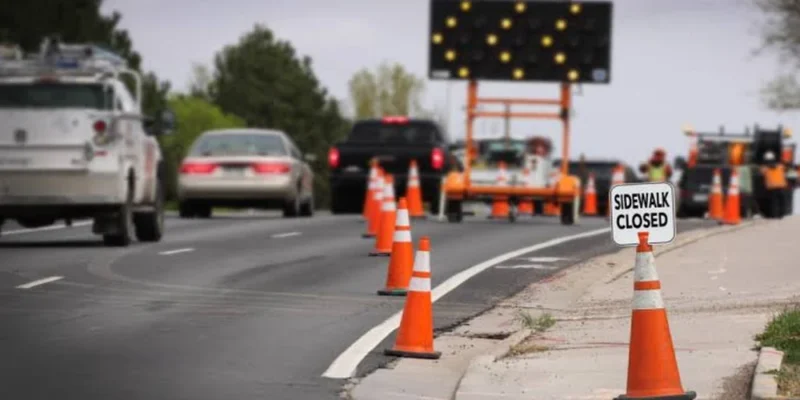
The sight of orange barrels and illuminated arrow boards along Ontario’s 400-series highways is more than a sign of routine construction, it signals a high-wire act where safety, timing, and traffic flow hang in the balance. Managing lane closures on these fast-moving corridors isn’t just about moving cones. It’s about orchestrating a precise, high-stakes playbook where every move impacts both workers’ lives and the daily routines of thousands of drivers.
Understanding the Complexities of Lane Closures on Ontario Highways
High-Speed Traffic and Its Impact on Work Zones
Highway traffic in Ontario typically moves at 100 km/h or more. At these speeds, even a brief lapse in driver attention can become catastrophic for road crews. Unlike city street closures, freeway lane closures require longer tapers, more substantial buffer zones, and exact positioning of protection vehicles. The margin for error is razor thin, and every detail matters.
Regulatory Framework: Ontario Traffic Manual Book 7 Explained
All temporary closures on Ontario highways must meet the standards set by the Ontario Traffic Manual Book 7. This document prescribes everything from the length of tapers to buffer distances, and it mandates the use of truck mounted attenuators (TMAs) when crews or equipment are exposed to live traffic. Compliance isn’t optional. Book 7’s requirements address the unique risks posed by high-speed environments, ensuring closures are designed for both visibility and impact absorption.
Unique Challenges of Freeway vs. Urban Street Closures
Closing a curb lane in downtown Toronto may frustrate commuters, but closing a shoulder on Highway 401 introduces an entirely different set of hazards. Freeways require specialized equipment, more advance warning, and crews trained for night operations. Urban closures can often rely on flagging, while freeway work demands comprehensive lane closure setups, detours, and crashworthy protection.
Safety Risks and Operational Challenges
Protecting Workers with MASH Compliant Truck Mounted Attenuators (TMAs)
Freeway crews face the constant danger of errant vehicles. MASH compliant TMAs are specifically engineered to absorb high-speed impacts and shield workers from oncoming traffic. But effectiveness depends on exact placement and operator training. These vehicles not only protect crews during work but are especially critical during the vulnerable setup and takedown phases.
Managing Long Tapers, Buffer Zones, and Advance Warning Systems
High-speed zones demand longer tapers and buffer spaces than city streets. Advance warning signage must be placed well before the actual closure so drivers have ample time to react. The complexity increases with multi-lane closures or mobile operations, where buffer zones and taper lengths must adjust dynamically as the work progresses.
Nighttime and Off-Peak Work: Visibility and Scheduling Constraints
To minimize daytime congestion, most closures on Ontario highways happen overnight or during off-peak hours. This introduces challenges such as limited visibility, increased fatigue, and the need for powerful lighting setups. Night crews must be adept at both the technical and logistical demands of working in low-light conditions while maintaining the same safety standards as daylight operations.
Emergency and Short-Notice Response Dynamics
Unplanned events, weather changes, accidents, or quick-turnaround repairs, demand instant mobilization of crews and equipment. Maintaining 24/7 emergency response readiness ensures closures remain compliant even as conditions shift unexpectedly.
Traffic Flow and Public Impact Considerations
Coordinating Lane and Ramp Closures Without Gridlock
Even a single lane closure can trigger gridlock on Ontario’s busiest highways. Effective coordination with road authorities and real-time adjustments are essential to keep traffic moving. Ramp closures call for meticulously planned detours that can handle diverted volumes without overwhelming local roads.
Designing Effective Detours and Mobile Operations
For maintenance activities like line painting or sweeping, moving closures require a convoy of protection vehicles and shadow TMAs. Detours must be clearly signed and strategically routed to minimize driver confusion, a task that grows more complex with each added closure point.
Communication and Signage for Driver Awareness
Advance notice via portable message boards, arrow boards, and strategically placed signage is critical. Drivers must understand not just where the closure is, but how their route will change, often before they even see the first work zone device.
Strategic Solutions for Effective Lane Closure Management
Customizing Traffic Control Plans for Different Project Types
Each project, whether a bridge rehab, resurfacing, or a utility crossing, demands a tailored traffic control plan. These plans must align with Book 7, anticipate operational challenges, and provide clear instructions for both crews and inspectors.
Leveraging Certified Crews and Specialized Equipment
Experience is non-negotiable. Certified crews equipped with TMAs, arrow boards, and compliant signage are critical to safe and efficient closures. Engaging specialists such as Salus freeway traffic control ensures that the unique demands of high-speed work zones are met with the right equipment and expertise.
Integrating Technology: Arrow Boards, Message Boards, and Lighting
Modern traffic control leverages technology for both safety and efficiency. Remote-controlled arrow boards, high-visibility message boards, and mobile lighting towers all play a role in preventing confusion and reducing risk for everyone on the highway.
Best Practices in Planning and Execution
Pre-Closure Planning: Scope, Permits, and Compliance Checks
A successful closure begins long before cones hit the pavement. Detailed review of project scope, regulatory requirements, and permit acquisition sets the groundwork for a compliant, safe operation.
Mobilization and On-Site Setup Procedures
Crews and equipment must be staged for rapid deployment, with supervisors inspecting setups for correct taper lengths, buffer zones, and TMA positioning before work begins. Lapses at this stage can put both workers and the public at risk.
Continuous Monitoring and Supervisor Inspections During Operations
Active supervision throughout the closure ensures that safety standards are upheld as traffic or weather conditions evolve. Real-time monitoring allows for swift adjustments and immediate response to hazards.
Safe and Efficient Demobilization
As work winds down, devices must be removed in precise order to restore normal traffic without exposing crews to unnecessary danger. Thorough documentation ensures compliance and provides a record for project stakeholders.
Actionable Steps for Contractors and Agencies
– Gather all relevant site details (location, affected lanes, type of work, time windows) before requesting traffic control services.
– Confirm that all equipment and plans adhere to Book 7 and MASH standards.
– Engage certified specialists with proven experience in freeway environments.
– Plan for contingency: ensure 24/7 support is available for emergencies or schedule changes.
Lane closures on Ontario highways demand more than traffic cones and reflective vests. They require a blend of regulatory knowledge, technical skill, and real-time adaptability, a mix that only comes from specialized expertise in high-speed traffic control.







Comments