
 By
By 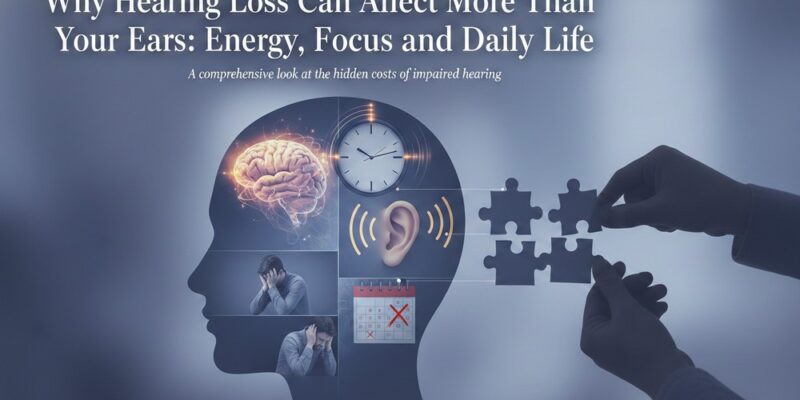
Hearing loss is often thought of as a simple sensory issue. You either hear well, or you don’t. But in reality, hearing plays a central role in how we think, communicate, and move through daily life. When hearing declines, the effects extend far beyond missed sounds or conversations. It can influence mental clarity, emotional well-being, and even physical energy levels.
Many people delay addressing hearing concerns, assuming it is a minor inconvenience or a normal part of aging. What often goes unnoticed is how untreated hearing loss quietly reshapes everyday experiences. Over time, this can lead to fatigue, reduced focus, and strained relationships. Understanding these broader effects is the first step toward better long-term health.
The Hidden Cognitive Load of Hearing Loss
When hearing becomes less clear, the brain has to work harder to interpret sound. Instead of effortlessly processing speech, it fills in gaps, guesses words, and tries to keep up with conversations. This added effort is known as cognitive load, and it can be surprisingly draining.
Over time, this constant strain can impact memory and attention. People with untreated hearing loss may find it harder to concentrate, especially in noisy environments. Tasks that once felt simple, like following a group discussion or watching television, can become mentally exhausting.
In some cases, prolonged cognitive strain has been linked to a higher risk of cognitive decline. While hearing loss does not directly cause conditions like dementia, it can contribute to factors that increase risk, such as reduced mental stimulation and social isolation.
How Hearing Loss Drains Your Energy
Listening may not seem physically demanding, but it requires significant mental effort. When hearing is impaired, the brain uses more energy to decode sounds, leaving less energy for other tasks.
This often leads to listening fatigue. By the end of the day, individuals with hearing loss may feel unusually tired, even if they have not been physically active. Social interactions, meetings, or even phone calls can leave them feeling depleted.
Fatigue can also affect mood and motivation. When everyday communication feels like hard work, people may begin to withdraw from activities they once enjoyed. This creates a cycle where reduced engagement leads to even less stimulation and energy over time.
The Impact on Focus and Productivity
Hearing loss can interfere with the ability to stay focused, particularly in environments with background noise. Offices, classrooms, and public spaces often require filtering out distractions while paying attention to specific sounds or voices.
When hearing is compromised, this filtering becomes much harder. People may miss key details, misunderstand instructions, or need frequent repetition. This can slow down productivity and increase frustration.
In professional settings, these challenges may be mistaken for a lack of attention or performance issues. In reality, the root cause may be an underlying hearing problem. Early evaluation, such as diagnostic testing offered by Apex Audiology, can help identify these issues before they begin to affect work or academic outcomes.
Communication Breakdowns and Social Strain
Clear communication is essential for maintaining relationships. When hearing loss interferes, even simple conversations can become complicated. Misunderstandings, missed cues, and repeated requests for clarification can create tension.
Over time, both the individual and those around them may feel frustrated. Friends and family might interpret communication difficulties as disinterest or inattentiveness. Meanwhile, the person with hearing loss may feel embarrassed or discouraged.
These challenges often lead to social withdrawal. Avoiding conversations or group settings may seem easier than struggling to keep up. Unfortunately, reduced social interaction can contribute to loneliness and emotional distress, further impacting overall well-being.
Physical Health and Preventive Care Connections
Hearing health is closely linked to overall physical health. Conditions such as chronic sinus issues, infections, or structural concerns can affect hearing and require medical attention. Addressing these underlying issues is an important part of comprehensive care.
Routine evaluations with specialists, such as an ENT doctor at North Dallas, can help identify medical causes of hearing changes. Early treatment may prevent further complications and improve hearing outcomes.
In addition, primary care plays a key role in early detection. Regular screenings and preventive checkups, like those offered by Blue Stone Health and Wellness (bluestonehw.com), can catch hearing concerns before they become more serious. Integrating hearing health into overall wellness care ensures that no aspect of health is overlooked.
Emotional Well-Being and Mental Health Effects
The emotional impact of hearing loss is often underestimated. Struggling to hear can lead to feelings of frustration, embarrassment, or even anxiety in social situations. Over time, these feelings may develop into more persistent mental health concerns.
People with untreated hearing loss are at a higher risk of depression. This is often linked to reduced social interaction and the stress of communication challenges. When conversations become difficult, it is easy to feel disconnected from others.
Addressing hearing loss can improve emotional well-being by restoring confidence in communication. Being able to engage fully in conversations helps rebuild social connections and reduces the sense of isolation that often accompanies hearing difficulties.
The Role of Hearing Technology in Daily Life
Modern hearing technology has advanced significantly, offering more natural sound quality and personalized adjustments. Hearing aids today are designed to adapt to different environments, making it easier to hear in both quiet and noisy settings.
Proper fitting and customization are essential for these devices to be effective. Providers like Infinity Hearing focus on tailoring hearing solutions to individual needs, ensuring comfort and usability. This level of personalization can make a significant difference in daily life.
In addition to amplifying sound, some devices offer features that help manage tinnitus or improve speech clarity. These tools can reduce listening effort, allowing individuals to conserve energy and focus on what matters most.
Why Coordinated Care Matters
Hearing loss is rarely an isolated issue. It often involves multiple factors, including medical conditions, lifestyle habits, and environmental influences. Addressing it effectively requires a coordinated approach.
Collaboration between audiologists, ENT specialists, and primary care providers ensures that all aspects of hearing health are considered. This team-based approach allows for more accurate diagnoses and comprehensive treatment plans.
Coordinated care also supports long-term outcomes. By addressing both the symptoms and underlying causes of hearing loss, individuals can experience improvements not only in hearing but also in energy, focus, and overall quality of life.
Conclusion
Hearing loss affects far more than the ability to detect sound. It influences how we think, interact, and navigate daily life. From increased cognitive strain to reduced energy and social engagement, the effects can be wide-reaching and deeply impactful.
The good news is that these challenges are not inevitable. With early detection, appropriate treatment, and a coordinated approach to care, individuals can regain clarity, confidence, and connection. Recognizing the broader impact of hearing loss is the first step toward protecting both hearing and overall well-being.











Comments